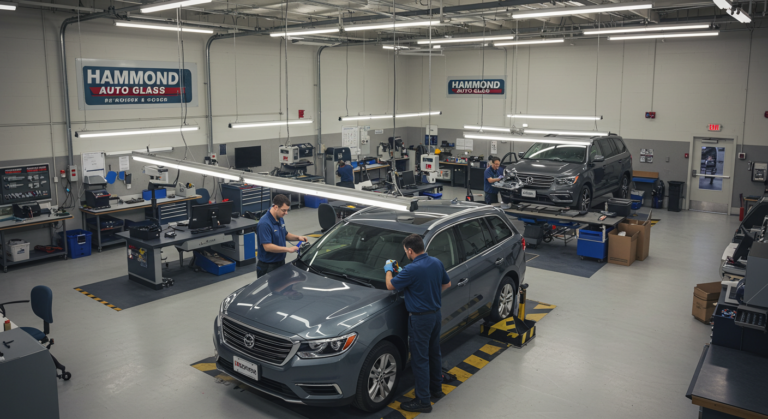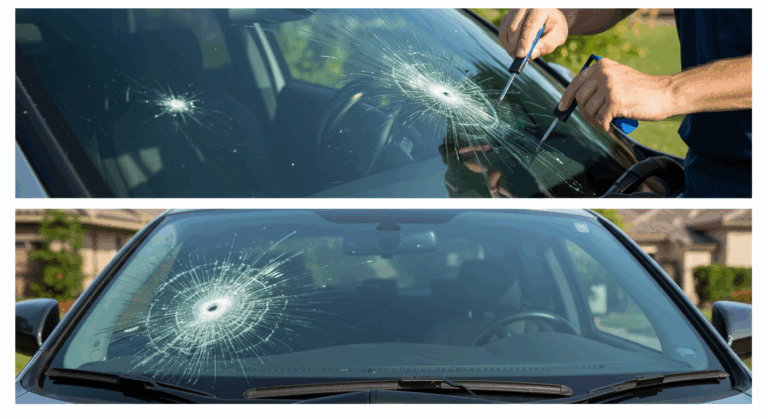
If you’ve ever watched a small windshield chip turn into a cracked line stretching across your glass overnight, there’s a good chance the cold did it. At Low Price Auto Glass in Hammond, we see it every winter — and here’s the short answer: cold weather makes existing windshield chips and cracks spread faster because the glass contracts and expands unevenly, putting stress on the damaged area until it gives way. A chip you could have ignored in October can become a full crack — and a much bigger bill — by January.
Because Northwest Indiana winters are no joke, we put together these winter windshield crack repair tips to help local drivers protect their glass before a minor flaw becomes a safety hazard. In our years serving Hammond, Gary, Munster, Schererville, and the surrounding Lake County communities, the pattern is always the same: the drivers who act early save money, and the ones who wait for spring end up replacing the whole windshield. This guide explains exactly why cold weather is so hard on damaged glass and what you can do about it.
Cold Weather Turns Small Windshield Chips Into Full Cracks Fast
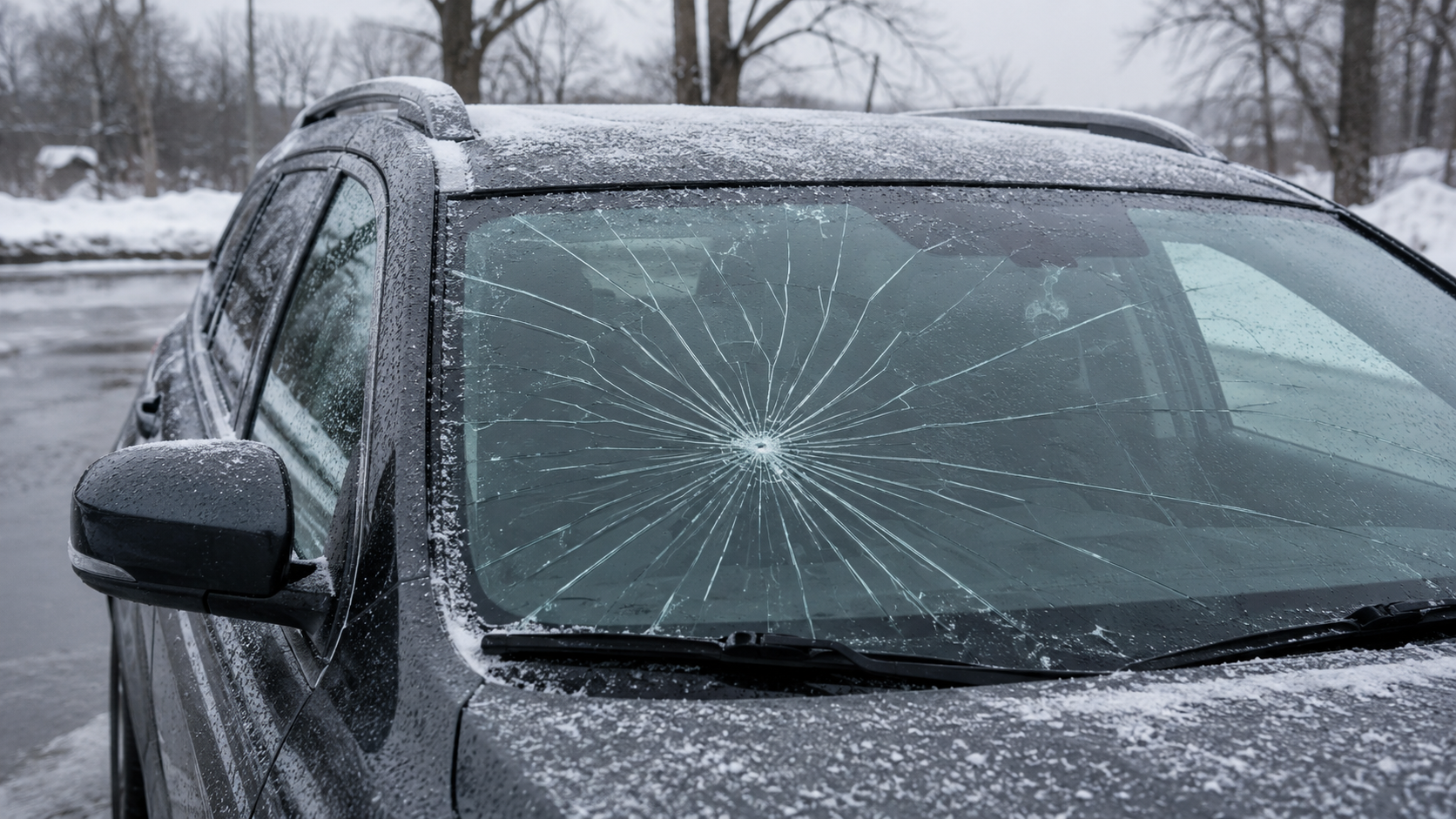
Temperature change is the single biggest reason a windshield crack spreads in winter. Auto glass expands when it’s warm and contracts when it’s cold, and a chip or crack is a weak point where that movement concentrates. When the temperature swings — and in Northwest Indiana it swings a lot — the stress builds at the edges of the damage until the crack runs.
The most common trigger is a sharp difference in temperature between the inside and outside of the glass. Picture a frigid morning where your windshield is sitting at 10°F, and you blast the defroster on high. The inside surface heats up fast while the outside stays freezing. That uneven expansion is called thermal stress, and it’s exactly the kind of force that takes a harmless-looking chip and turns it into a crack you can’t miss.
Why Northwest Indiana Winters Are Especially Hard on Windshields
Northwest Indiana sits in one of the toughest winter climates in the Midwest, and that takes a real toll on auto glass. Sitting at the bottom of Lake Michigan, communities like Hammond, Whiting, and Gary get hit with lake-effect snow, rapid freeze-thaw cycles, and bitter cold snaps that can drop temperatures dozens of degrees in a single day.
Several local conditions stack the deck against a damaged windshield:
- Lake-effect temperature swings: Rapid shifts between thaw and deep freeze repeatedly stress the glass.
- Road salt and gravel: Winter road treatment kicks up debris that chips windshields in the first place.
- Ice scraping: Aggressive scraping near an existing chip can drive a crack outward.
- Long commutes on I-80/94 and the Borman: High-speed gravel strikes plus heater use create a perfect storm for crack growth.
In short, a chip that might sit quietly for months in a milder climate often won’t survive a single Hammond winter untreated.
Why Do Windshield Cracks Spread in Cold Weather?
Windshield cracks spread in the cold because of thermal stress — the uneven expansion and contraction of glass when one area is a different temperature than another. Your windshield is laminated safety glass, and any chip interrupts its structural integrity. When temperatures change quickly, the undamaged glass moves at a slightly different rate than the area around the chip, and that tension forces the crack to grow.
This is why so many cracks seem to appear “out of nowhere” on a cold morning. The damage was already there; the temperature change is simply the final push. The bigger the temperature difference and the faster it happens, the more likely a chip is to run into a long crack.
Common Winter Mistakes That Make Windshield Cracks Worse
Most winter windshield damage in Northwest Indiana is made worse by everyday habits drivers don’t realize are risky. Avoiding these simple mistakes can be the difference between a quick repair and a full replacement.
- Blasting the defroster on high from cold: Sudden heat on frozen glass is one of the fastest ways to spread a crack. Warm your car up gradually instead.
- Pouring hot water on an icy windshield: This can crack glass that was perfectly fine — and shatter glass that’s already chipped. Never do it.
- Scraping aggressively over a chip: Pressing hard with an ice scraper near existing damage can push the crack outward.
- Ignoring a chip until spring: A repairable chip left through winter often becomes a non-repairable crack requiring replacement.
- Slamming doors with windows up: The pressure pulse from a hard door slam can stress an already-weakened windshield.
Winter Windshield Crack Repair Tips for Hammond Drivers
The best winter strategy is to repair small chips before the cold can turn them into cracks. A professional chip repair is fast, inexpensive, and often less than your insurance deductible — and it stops the damage from spreading. Here’s how Hammond drivers can protect their glass through the season:
- Fix chips immediately: The smaller the damage, the more likely it can be repaired rather than replaced. Don’t wait.
- Warm your car gradually: Start the defroster on low or medium and let the glass heat evenly before turning it up.
- Clear ice gently: Use a proper scraper and a deicing spray rather than brute force or hot water.
- Park in a garage or sheltered spot when possible: Reducing extreme temperature swings reduces stress on the glass.
- Cover the chip temporarily: A small piece of clear tape over a fresh chip keeps moisture and dirt out until you can get it repaired.
- Get it inspected promptly: If you’re unsure whether a chip is repairable, a quick professional look will tell you before winter decides for you.
Should You Repair or Replace a Cracked Windshield in Winter?
The answer depends mostly on the size, depth, and location of the damage. As a general rule, small chips and short cracks can often be repaired, while long cracks, deep damage, or cracks in the driver’s line of sight usually require full replacement. Acting quickly in winter is what keeps you in the cheaper “repair” category.
| Damage Type | Typical Outcome | Why |
|---|---|---|
| Small chip (smaller than a quarter) | Usually repairable | Resin can fill and stabilize the damage before it spreads. |
| Short crack (under a few inches) | Often repairable if caught early | Prompt repair stops cold-weather growth. |
| Long crack (more than 6 inches) | Usually replacement | Structural integrity is compromised beyond a reliable repair. |
| Crack in driver’s line of sight | Typically replacement | Repairs can leave distortion that affects visibility and safety. |
When replacement is the right call, our customers often find the cost with Low Price Auto Glass is less than their insurance deductible — and every job is backed by our lifetime guarantee.
Frequently Asked Questions About Winter Windshield Cracks
Can a windshield crack really spread just from cold weather?
Yes. Cold weather causes glass to contract, and rapid temperature changes create thermal stress that forces existing chips and cracks to grow. A chip that seemed stable in fall can spread across the windshield during a Northwest Indiana cold snap, especially if the defroster is used aggressively.
Is it safe to use my defroster if my windshield is already chipped?
Use it carefully. Start on a low or medium setting and let the glass warm gradually rather than blasting maximum heat onto frozen, damaged glass. Sudden, intense heat on a cold windshield is one of the most common ways a chip turns into a full crack.
How quickly should I repair a windshield chip in winter?
As soon as possible. The longer a chip sits through freeze-thaw cycles, the higher the chance it spreads into a crack that requires full replacement. A small chip is usually a quick, affordable repair, so acting early saves both money and hassle.
Will my insurance cover winter windshield repair in Indiana?
Many comprehensive policies cover windshield repair, and some insurers waive the deductible for a repairable chip because it’s cheaper than a later replacement. Coverage varies by policy, so it’s worth checking with your insurer. Many Hammond drivers also find replacement costs are less than their deductible.
Can you replace a windshield in cold Northwest Indiana weather?
Yes. Professional auto glass shops account for temperature when installing glass and using adhesives, ensuring a proper cure and seal even in winter. The key is having the work done by experienced technicians who follow the correct procedures for cold conditions.
Don’t Let Winter Decide for You
A windshield chip is rarely an emergency the day it happens — but a Northwest Indiana winter has a way of turning small problems into expensive ones. The drivers who come out ahead are the ones who treat a chip while it’s still small, warm their glass gently, and get a professional opinion before the cold forces a full replacement.
If you’ve got a chip or crack and you’re heading into another Hammond winter, don’t gamble on it lasting until spring. Call Low Price Auto Glass at (219) 989-9550 for a free quote — we work on all makes and models, bill most major insurers, and back every repair and replacement with a lifetime guarantee. A few minutes now can save you a windshield later.